
Why Piles Awareness Is Important in Beed and Nearby Areas
Piles, also known as hemorrhoids, are silently affecting thousands of people across Beed, Georai, Majalgaon, Parli, Dharur, Ambajogai, and nearby rural areas. Yet many patients continue suffering unnecessarily because of myths surrounding piles treatment. People often tolerate pain, bleeding, and discomfort for months or even years simply because they believe piles surgery is unavoidable or extremely painful.
In reality, modern piles treatment has changed dramatically. Today, patients can receive advanced daycare treatment, minimal pain procedures, and quick recovery options without long hospital stays. Unfortunately, awareness in smaller cities still lags behind metropolitan areas. Many patients rely on home remedies suggested by relatives or internet myths instead of consulting a qualified piles specialist.
Local lifestyle patterns also contribute to rising piles cases. Long sitting hours, irregular food habits, spicy diet myths, chronic constipation, and delayed medical consultation are common factors seen in Beed district patients. Farmers, office workers, drivers, teachers, and business owners all face similar risks due to lifestyle pressure and lack of bowel health awareness.
Educating patients is the first step toward prevention and cure. When people understand facts instead of myths, they seek early treatment, avoid complications, and experience faster recovery. This article aims to clear confusion and help patients in Beed choose the right piles treatment at the right time.
Understanding Piles (Hemorrhoids)
What Are Piles?
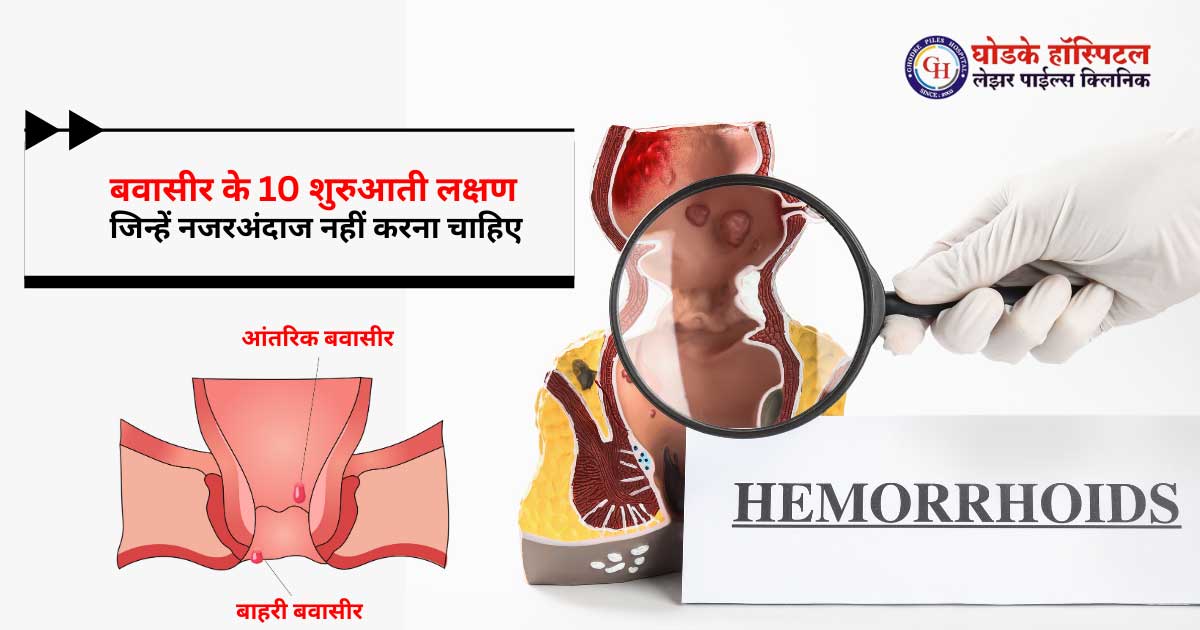
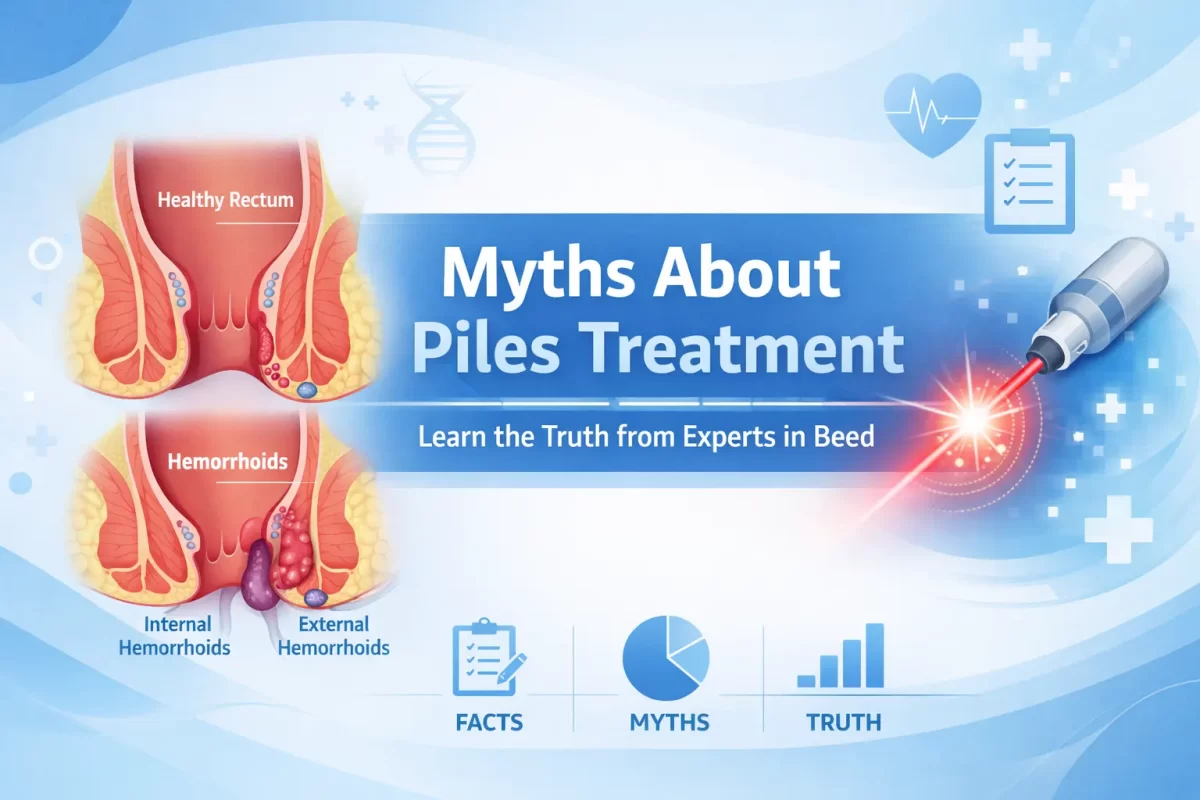
Piles are swollen veins in the lower rectum or anus caused by increased pressure during bowel movements. Think of them like varicose veins but located internally or externally around the anal canal. They develop gradually due to constipation, prolonged sitting, pregnancy, obesity, or excessive straining.
Many patients assume piles are a dangerous disease, but medically they are extremely common. Studies indicate that nearly 50% of adults experience piles symptoms at some stage of life. The issue becomes serious only when treatment is delayed.
Symptoms may include:
- Bleeding during stool
- Burning sensation
- Pain or swelling near anus
- Itching or irritation
- Feeling of incomplete bowel evacuation
Some patients experience painless bleeding, while others feel severe discomfort. Because symptoms vary widely, myths easily spread among the public.
Types of Piles Patients Experience
Understanding types of piles helps patients recognize why treatment differs from person to person:
| Type | Location | Common Symptoms |
|---|---|---|
| Internal Piles | Inside rectum | Bleeding, usually painless |
| External Piles | Outside anus | Pain, swelling, itching |
| Prolapsed Piles | Bulging outside | Discomfort while sitting |
| Thrombosed Piles | Blood clot formation | Severe pain |
Each stage requires a customized treatment plan. One treatment cannot suit every patient, which is why specialist consultation becomes essential.
Why So Many Myths Exist About Piles Treatment
In smaller towns like Beed, piles are still considered an embarrassing condition. Patients hesitate to discuss anal problems openly—even with doctors. This silence allows myths to replace medical knowledge.
Many people believe:
- Piles surgery means months of bed rest
- Treatment is extremely painful
- Home remedies are enough
- Bleeding automatically means cancer
Social media, incomplete information, and fear-based stories passed through generations continue spreading misconceptions. Patients often visit hospitals only when pain becomes unbearable. By that time, treatment becomes more complex than necessary.
Correct information empowers patients to seek early, comfortable, and effective treatment.
Myth #1 – Piles Always Need Surgery
This is the biggest fear among patients in Beed.
Older surgical methods required stitches and long recovery periods, which created lasting fear. Modern proctology is completely different. Today, most piles cases do NOT require traditional surgery.
Advanced options available include:
- Laser piles treatment
- Injection treatment
- Non-surgical daycare procedures
- Medication and lifestyle management
Laser treatment works by shrinking piles through targeted energy without large cuts. Patients usually walk home the same day and resume work quickly.
👉 Learn about modern treatment options:
https://ghodkepileshospital.in/treatments/laser-treatment-for-piles-fissure-fistula-pilondial-sinus-in-beed/
Early consultation often eliminates the need for surgery entirely.
Myth #2 – Piles Will Cure Automatically
Many patients ignore symptoms thinking piles will disappear naturally. Temporary relief may occur, but underlying vein swelling usually persists.
Ignoring early signs can lead to:
- Continuous bleeding
- Severe pain
- Prolapse
- Infection
- Anemia due to blood loss
Early-stage piles are easiest to treat. Waiting increases both suffering and treatment complexity.
Myth #3 – Spicy Food Causes Piles
Spicy food does not directly cause piles. The real problem is constipation.
Low fiber intake, dehydration, and irregular bowel habits increase pressure inside rectal veins. Spicy food may worsen burning sensation but is not the root cause.
Instead of avoiding spices completely, patients should focus on:
- High fiber diet
- Adequate water intake
- Regular bowel routine
Healthy digestion prevents piles more effectively than strict food restrictions.
Myth #4 – Home Remedies Give Permanent Cure
Home remedies like sitz bath, herbal oils, or creams provide temporary comfort but rarely cure piles permanently.
They help reduce symptoms such as itching or burning but cannot shrink enlarged veins or correct internal pressure problems. Many patients waste years relying only on home remedies and later require advanced treatment.
Professional evaluation ensures accurate diagnosis and long-term relief.
👉 Injection treatment information:
https://ghodkepileshospital.in/treatments/piles-injection-treatment/
Myth #5 – Only Old People Get Piles
This myth is rapidly becoming outdated. Doctors now treat young patients daily.
Common causes among younger individuals include:
- Long sitting jobs
- Mobile use in toilet
- Gym straining
- Fast food habits
- Stress and irregular lifestyle
Piles have become a lifestyle disease rather than an age-related condition.
Myth #6 – Laser Treatment Is Risky
Many patients assume laser procedures are experimental. In reality, laser piles treatment is one of the safest modern techniques available.
Benefits include:
- Minimal pain
- Less bleeding
- Quick recovery
- Daycare procedure
- Early return to work
Laser technology allows precise treatment without large wounds, making it highly suitable for working professionals and elderly patients alike.
Myth #7 – Bleeding Means Cancer
Rectal bleeding creates fear, but piles are a non-cancerous condition.
However, bleeding should never be ignored. Proper examination helps differentiate piles from other digestive diseases. Accurate diagnosis provides peace of mind and prevents unnecessary anxiety.
Myth #8 – Pain Must Be Present
Many patients wait for pain before consulting a doctor. Internal piles often cause painless bleeding. Lack of pain does not mean absence of disease.
Early consultation ensures easier treatment and prevents complications.
Myth #9 – Medicines Alone Are Enough
Medicines help reduce inflammation but may not cure advanced piles.
Treatment depends on stage:
| Stage | Treatment Approach |
|---|---|
| Early | Medicines + diet |
| Moderate | Injection or laser |
| Advanced | Surgical procedures |
Personalized treatment delivers the best outcomes.
Best Piles Treatment Options Available in Beed
Patients in Beed no longer need to travel to big cities for advanced care. Modern facilities now provide comprehensive anorectal treatment locally.
Available treatments include:
- Laser treatment for piles, fissure & fistula
- Injection treatment
- Ayurvedic management
- Daycare procedures
- Colonoscopy & endoscopy diagnosis
👉 Book consultation:
https://ghodkepileshospital.in/contact-us/
📍 Ghodke Piles Hospital, Behind Shantai Hotel, Jalna Road, Beed – 431122
📞 Call: 084593-13196
👉 Google Listing:
https://share.google/JpVRm1eoaHPSJVKQI
Lifestyle Changes to Prevent Piles
Prevention works like maintaining a vehicle—regular care avoids major repairs.
Important habits include:
- Eat fiber-rich foods daily
- Drink 2–3 liters of water
- Avoid long sitting hours
- Exercise regularly
- Do not delay bowel movements
Small lifestyle adjustments dramatically reduce recurrence risk.
When to Visit a Piles Specialist in Beed
Consult a specialist if you notice:
- Bleeding during stool
- Persistent itching
- Anal pain or swelling
- Chronic constipation
- Lump near anus
Early diagnosis saves time, money, and discomfort.
Why Choosing an Experienced Piles Hospital Matters
Piles treatment success depends heavily on doctor expertise. Accurate diagnosis, proper staging, and modern equipment determine recovery quality.
An experienced piles hospital offers:
- Correct treatment selection
- Advanced laser technology
- Minimal recurrence rates
- Patient-friendly care
- Daycare procedures
Choosing a dedicated anorectal center ensures safe and effective treatment.
Conclusion
Myths about piles treatment continue to delay recovery for countless patients in Beed and surrounding areas. The truth is encouraging—piles are common, treatable, and manageable with modern techniques. Fear of surgery, dependence on home remedies, and misinformation should no longer prevent patients from seeking care.
With advanced options like laser treatment, injection therapy, and personalized management available locally, patients can achieve relief quickly and safely. The key is early consultation and accurate medical guidance.
If you or your family member experiences piles symptoms, don’t wait. Replace myths with facts and choose modern treatment for a healthier, comfortable life.
FAQs
1. Is piles treatment available in Beed without surgery?
Yes. Most patients receive non-surgical or laser treatment depending on disease stage.
2. How long does laser piles treatment take?
Usually 20–30 minutes as a daycare procedure.
3. Can piles return after treatment?
Proper treatment combined with lifestyle correction significantly reduces recurrence.
4. Is piles treatment painful?
Modern procedures are designed for minimal discomfort and faster recovery.
5. When should I consult a piles doctor?
Immediately after noticing bleeding, pain, or swelling near the anus.