MON-SAT9AM - 4PMCALL US+91-84593-13196


Expert Insights and Patient Stories

Blog

Piles Hospital Blog: Your Resource for Effective Piles Treatment and Management

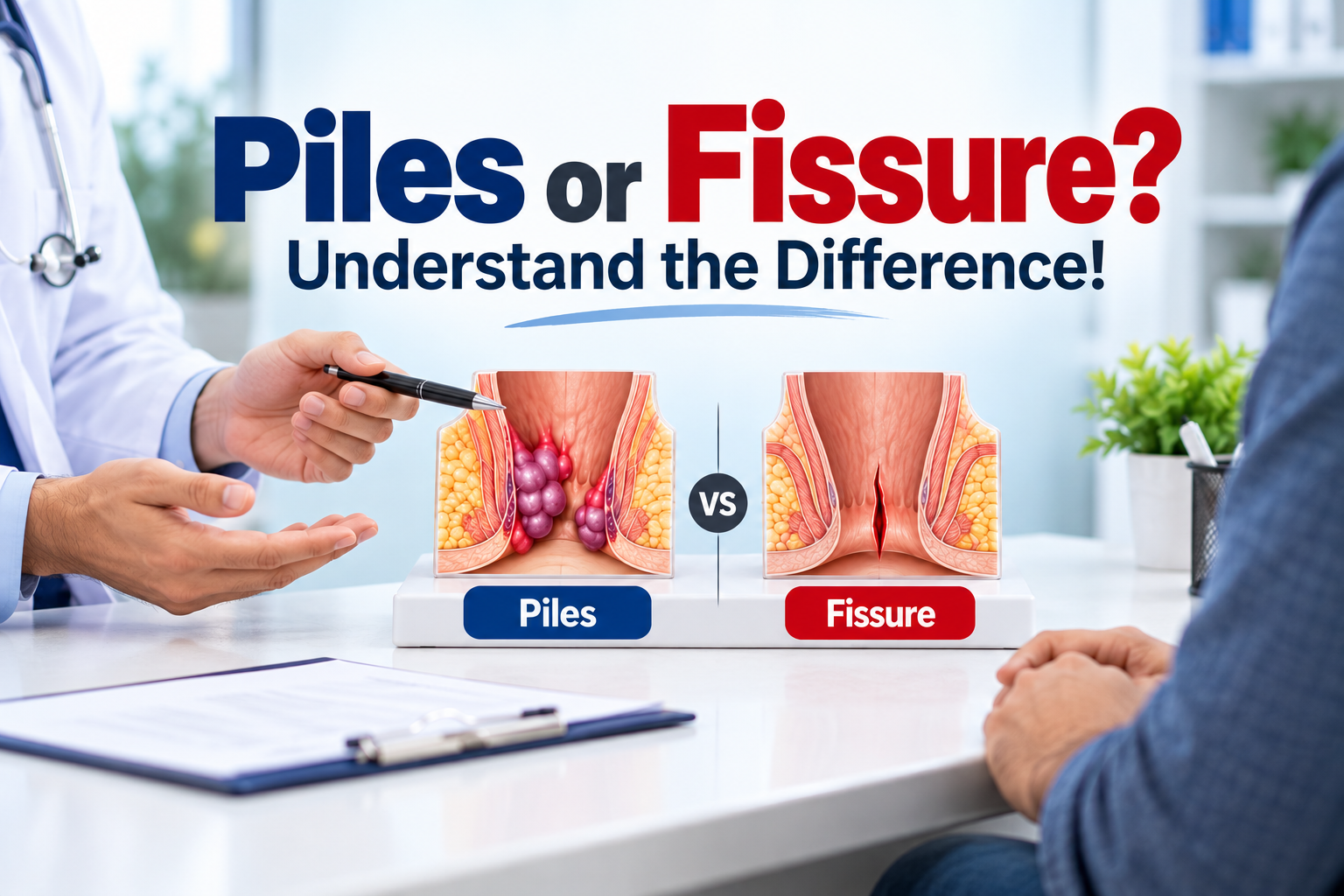
Piles-or-fissure-difference-explained.png
02/Oct/2026

Piles or Fissure? Understand the Difference, Symptoms and Treatment in Beed

Introduction

Piles or fissure? This is a common question when a person notices blood after passing stool, pain, burning, itching, or swelling around the anus. Because the symptoms can look similar, many people assume that every anal problem is piles. But piles and anal fissure are two different conditions.

Piles are swollen blood vessels in and around the anus or lower rectum. An anal fissure is a small tear in the lining of the anus. The causes, symptoms, and treatment can therefore be different.

Constipation, hard stools, and straining during bowel movements can play a role in both conditions. A fissure often causes sharp pain during or after passing stool, while piles may cause bleeding, itching, swelling, or a lump. However, symptoms can overlap, so self-diagnosis is not always reliable.

If you are in Beed or nearby areas and have repeated rectal bleeding, anal pain, constipation, or swelling, getting a proper medical examination is important.

Ghodke Piles Hospital in Beed provides consultation and treatment for piles, fissure, fistula, and other anorectal conditions. Treatment is selected according to the patient’s symptoms and examination.


Table of Contents

  1. What Are Piles?
  2. What Is an Anal Fissure?
  3. Piles vs Fissure: Main Difference
  4. Symptoms of Piles
  5. Symptoms of Anal Fissure
  6. Causes and Risk Factors
  7. Can You Have Piles and Fissure Together?
  8. Diagnosis
  9. Treatment Options
  10. Laser Piles Treatment
  11. Stapler Surgery
  12. When Should You See a Doctor?
  13. Prevention Tips
  14. Frequently Asked Questions
  15. Conclusion

What Are Piles?

Piles, also called hemorrhoids, are swollen blood vessels in the anus or lower rectum.

They are common and can affect people of different ages. Some people have piles without any symptoms. Others may experience bleeding, itching, swelling, discomfort, or a lump around the anus.

Piles can be internal or external.

Internal Piles

Internal piles develop inside the rectum. They may cause bright red bleeding during or after bowel movements. In some cases, they can become enlarged and come outside the anus.

External Piles

External piles develop under the skin around the anus. They may cause swelling, tenderness, itching, or pain.

You can read more about the condition on the Piles Treatment page.

Quick Answer: What are piles?

Piles are swollen blood vessels in or around the anus and lower rectum. They can cause bleeding, itching, swelling, discomfort, or a lump.


What Is an Anal Fissure?

An anal fissure is a small tear or crack in the lining of the anus.

It commonly happens when a person passes a hard or dry stool. Constipation and repeated straining can increase the risk.

The most noticeable symptom is often sharp pain while passing stool. The pain may continue for some time after the bowel movement. Fresh blood may also appear on toilet paper or on the surface of the stool.

Some acute fissures can improve with proper bowel management and medical treatment. Long-standing fissures may need additional treatment.

You can learn more about the condition through the Anal Fissure Treatment page.

Quick Answer: What is an anal fissure?

An anal fissure is a small tear in the lining of the anus. It commonly causes sharp pain and fresh bleeding during or after bowel movements.


Piles vs Fissure: What Is the Difference?

The easiest way to understand the difference is:

Piles = swollen blood vessels

Fissure = a tear in the anal lining

FeaturePilesAnal Fissure
Main problemSwollen blood vesselsSmall tear in anal lining
Common symptomBleedingSharp pain
PainMay or may not occurOften prominent
BleedingCommonUsually a small amount of fresh blood
ItchingCan occurLess common
Swelling/lumpCan occurUsually not the main symptom
Common triggerStraining, constipation, pressureHard stool and constipation
TreatmentLifestyle, medicines, procedures or surgery depending on severityBowel management, medicines, procedures or surgery depending on the case

This comparison is useful, but it should not replace a medical examination.

Rectal bleeding can have several causes, so repeated bleeding should not automatically be assumed to be piles.


Symptoms of Piles

Piles can cause different symptoms depending on their type and severity.

Common symptoms include:

  • Bright red bleeding during or after stool
  • Itching around the anus
  • Irritation or burning
  • Swelling
  • A lump around the anus
  • Discomfort while sitting
  • Mucus discharge in some cases
  • Piles coming outside during bowel movements
  • Pain, especially with some external piles

One important point is that internal piles may bleed without causing much pain.

This is one reason why the symptom pattern can be different from an anal fissure.


Symptoms of Anal Fissure

Anal fissure often has a very different pain pattern.

Common symptoms include:

  • Sharp pain while passing stool
  • Burning after bowel movement
  • Pain that continues after passing stool
  • Fresh blood on toilet paper
  • A feeling of tearing or cutting pain
  • Fear of passing stool because of pain
  • Constipation
  • Irritation around the anal opening

A person with fissure may start avoiding bowel movements because of pain. This can make stool harder and may create a cycle of constipation and repeated injury.


What Causes Piles?

Piles are linked with increased pressure around the veins of the anus and rectum.

Common risk factors include:

  • Chronic constipation
  • Straining during bowel movements
  • Sitting on the toilet for a long time
  • Low-fiber diet
  • Chronic diarrhea
  • Pregnancy
  • Being overweight
  • Increasing age
  • Heavy lifting

Regular bowel habits and avoiding unnecessary straining can help reduce the risk.

For reliable information about hemorrhoids, the National Institute of Diabetes and Digestive and Kidney Diseases provides useful patient information.


What Causes an Anal Fissure?

The most common cause is trauma to the anal lining, especially when passing hard stool.

Possible causes include:

  • Constipation
  • Hard or dry stools
  • Repeated straining
  • Frequent diarrhea
  • Childbirth
  • Anal injury
  • Some medical conditions

A fissure may become chronic when it does not heal properly and keeps returning.


Can You Have Piles and Fissure Together?

Yes.

A person can have both piles and an anal fissure at the same time.

This can happen because constipation and straining may contribute to both problems.

For example, a patient may have bleeding from piles and sharp pain from a fissure. Treating only one problem without identifying the other may not provide complete relief.

This is why proper examination is important when symptoms continue.


How Are Piles and Fissure Diagnosed?

Diagnosis usually begins with a discussion about your symptoms and bowel habits.

The doctor may ask:

  • How long have you had the symptoms?
  • Is there bleeding?
  • Is the blood bright red or dark?
  • Is there pain during bowel movements?
  • Does pain continue after stool?
  • Do you have constipation?
  • Is there a lump or swelling?
  • Have you had similar symptoms before?

A physical examination may then be performed.

Depending on the symptoms, additional examination may be required to identify the exact cause.

Do not assume that every case of rectal bleeding is piles. Other conditions can also cause bleeding.


Treatment Options for Piles

Treatment depends on the type and severity of piles.

1. Lifestyle Changes

For mild symptoms, improving bowel habits can be helpful.

Important measures include:

  • Eat more fiber-rich foods
  • Drink adequate fluids
  • Stay physically active
  • Avoid unnecessary straining
  • Do not sit on the toilet for a long time
  • Treat constipation
  • Do not ignore the urge to pass stool

These changes may help improve bowel movements and reduce pressure during defecation.


2. Medicines

Depending on the symptoms, a doctor may recommend medicines for:

  • Pain
  • Itching
  • Swelling
  • Constipation
  • Stool softening

Do not take medicines repeatedly without medical advice, especially if you have persistent bleeding.


3. Procedures

Some internal piles can be treated using procedures such as rubber band ligation or other minimally invasive methods.

The correct option depends on the grade and type of piles.


Laser Piles Treatment in Beed

Laser-based treatment may be considered for selected patients with piles.

Laser treatment is not automatically suitable for every patient. The doctor needs to assess the piles and determine whether the procedure is appropriate.

Ghodke Piles Hospital provides information about Laser Treatment for Piles, Fissure and Fistula in Beed.

The goal of treatment is to manage the underlying condition safely and appropriately. The choice between laser treatment, another procedure, medicines, or surgery depends on the individual case.


Stapler Surgery for Piles

Stapled hemorrhoid surgery may be considered for selected patients with certain types of advanced internal piles.

It is not required for every patient with piles.

The doctor may consider factors such as:

  • Grade of piles
  • Degree of prolapse
  • Bleeding
  • Previous treatment
  • Overall health
  • Examination findings

Therefore, patients should not choose a procedure only because it is described as modern or minimally invasive.


Treatment for Anal Fissure

Treatment of fissure often focuses on helping the tear heal and preventing repeated injury.

Depending on the condition, treatment may include:

  • Increasing dietary fiber
  • Drinking adequate fluids
  • Keeping stools soft
  • Warm sitz baths
  • Medicines prescribed by a doctor
  • Topical treatment
  • Further procedures for persistent or chronic cases

Many acute fissures can improve without surgery when properly managed.

However, a chronic fissure may require more advanced treatment.

You can visit the Anal Fissure Treatment page for more information.


Is Surgery Always Necessary?

No. Surgery is not required for every patient with piles or fissure.

Some people improve with diet changes, better bowel habits, medicines, or non-surgical procedures.

Surgery or another procedure may be considered when:

  • Symptoms are severe
  • The problem keeps returning
  • Conservative treatment does not work
  • Piles are advanced
  • A fissure becomes chronic
  • The doctor finds another condition requiring treatment

The correct treatment should be decided after examination.


When Should You See a Doctor?

Do not ignore the following symptoms:

  • Repeated blood in stool
  • Rectal bleeding
  • Severe anal pain
  • Pain every time you pass stool
  • A painful lump
  • Persistent swelling
  • Pus or unusual discharge
  • Repeated constipation
  • Symptoms that keep returning
  • Symptoms that do not improve with basic care

If you are in Beed or nearby areas, consult a qualified doctor if these symptoms continue.

Early assessment can help identify whether the problem is piles, fissure, fistula, or another anorectal condition.


Prevention Tips for Piles and Fissure

You cannot prevent every case, but healthy bowel habits can reduce the risk.

Follow these simple habits:

  • Eat enough fiber every day.
  • Include fruits and vegetables in your diet.
  • Drink enough water.
  • Stay physically active.
  • Avoid unnecessary straining.
  • Do not spend too much time on the toilet.
  • Do not regularly hold your stool.
  • Manage constipation early.
  • Avoid self-treatment for persistent bleeding.
  • Consult a doctor when symptoms continue.

Frequently Asked Questions

1. What is the difference between piles and fissure?

Piles are swollen blood vessels in or around the anus, while a fissure is a small tear in the anal lining. Piles commonly cause bleeding, itching, swelling, or a lump. Fissure more often causes sharp pain during or after passing stool. However, both conditions can occur together.

2. Which is more painful, piles or fissure?

Anal fissure commonly causes sharp pain during and after bowel movements. Some external or thrombosed piles can also be very painful. Therefore, pain alone cannot always confirm the diagnosis. A doctor may need to examine the area to determine the exact cause.

3. Can piles cause blood in stool?

Yes. Piles can cause bright red bleeding, particularly during or after bowel movements. However, rectal bleeding can have several causes. If bleeding is repeated, heavy, unexplained, or associated with other symptoms, medical evaluation is important rather than assuming that it is simply piles.

4. Can fissure heal naturally?

Some acute anal fissures can heal with proper bowel management, adequate fiber and fluids, warm sitz baths, and treatment recommended by a doctor. Chronic or repeatedly occurring fissures may need additional treatment. Persistent pain or bleeding should be checked by a qualified doctor.

5. Can constipation cause both piles and fissure?

Yes. Chronic constipation can increase pressure on the veins around the anus and contribute to piles. Passing hard stool can also cause a small tear in the anal lining, leading to fissure. Managing constipation is therefore an important part of managing both conditions.

6. Is laser piles treatment available in Beed?

Ghodke Piles Hospital in Beed provides laser treatment options for piles and other anorectal conditions. However, laser treatment is not suitable for every patient. The appropriate treatment depends on the type, grade, symptoms, and examination findings.

7. Can piles and fissure occur together?

Yes. A person can have piles and an anal fissure at the same time. Constipation and repeated straining may contribute to both. If a patient has bleeding as well as severe pain during bowel movements, an examination can help identify whether one or both conditions are present.

8. Does every piles patient need surgery?

No. Treatment depends on the severity of the condition. Some patients improve with dietary changes, medicines, bowel habit changes, or office-based procedures. Surgery may be considered for selected advanced or persistent cases. A doctor should decide the appropriate treatment after examination.

9. Why does fissure hurt after passing stool?

Passing stool can stretch the tear in the anal lining. This can trigger significant pain and muscle spasm in the area, and the discomfort may continue after the bowel movement. Keeping stools soft and following appropriate medical treatment can help support healing.

10. When should I see a piles specialist in Beed?

You should consider consultation if you have repeated bleeding, severe anal pain, a lump, swelling, persistent constipation, recurrent symptoms, or symptoms that do not improve. Proper examination can help determine whether the problem is piles, fissure, fistula, or another condition.


Conclusion

Piles and fissure are not the same condition.

The easiest way to remember the difference is:

Piles = swollen blood vessels

Fissure = a tear in the anal lining

Piles may cause bleeding, itching, swelling, or a lump. Fissure commonly causes sharp pain and burning during or after passing stool.

Constipation and hard stools can contribute to both problems, so maintaining healthy bowel habits is important.

If you have blood in stool, pain while passing stool, anal swelling, or recurring symptoms, do not rely only on self-diagnosis.

Patients in Beed and nearby areas can consult Ghodke Piles Hospital for evaluation and treatment of piles, fissure, fistula, and other anorectal conditions.

Hospital: Ghodke Piles Hospital
Address: Behind Shantai Hotel, Jalna Road, Beed, Maharashtra
Phone: 084593-13196
Website: https://ghodkepileshospital.in/

Medical Disclaimer: This article provides general health information and is not a substitute for a personal medical examination or diagnosis. Treatment should be decided by a qualified doctor based on your individual condition.
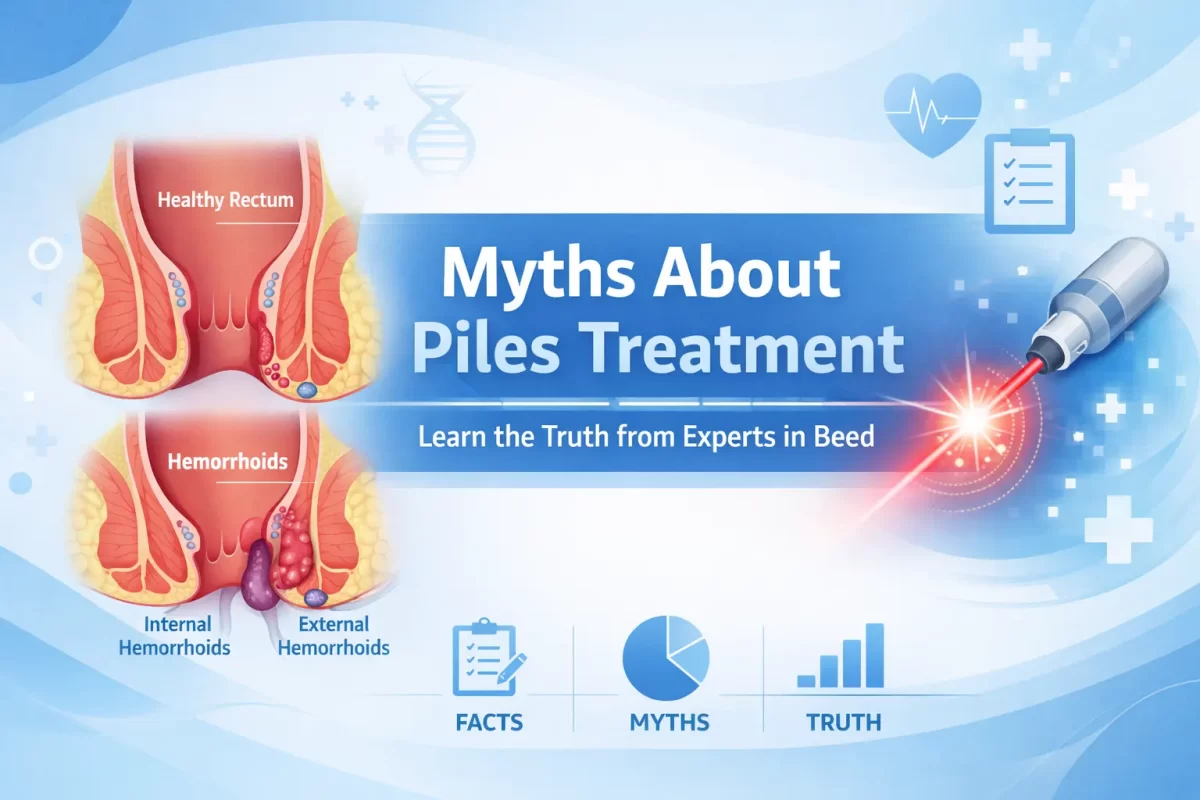
Myths-About-Piles-Treatment-1200x800.webp
28/Mar/2026

Why Piles Awareness Is Important in Beed and Nearby Areas

Piles, also known as hemorrhoids, are silently affecting thousands of people across Beed, Georai, Majalgaon, Parli, Dharur, Ambajogai, and nearby rural areas. Yet many patients continue suffering unnecessarily because of myths surrounding piles treatment. People often tolerate pain, bleeding, and discomfort for months or even years simply because they believe piles surgery is unavoidable or extremely painful.

In reality, modern piles treatment has changed dramatically. Today, patients can receive advanced daycare treatment, minimal pain procedures, and quick recovery options without long hospital stays. Unfortunately, awareness in smaller cities still lags behind metropolitan areas. Many patients rely on home remedies suggested by relatives or internet myths instead of consulting a qualified piles specialist.

Local lifestyle patterns also contribute to rising piles cases. Long sitting hours, irregular food habits, spicy diet myths, chronic constipation, and delayed medical consultation are common factors seen in Beed district patients. Farmers, office workers, drivers, teachers, and business owners all face similar risks due to lifestyle pressure and lack of bowel health awareness.

Educating patients is the first step toward prevention and cure. When people understand facts instead of myths, they seek early treatment, avoid complications, and experience faster recovery. This article aims to clear confusion and help patients in Beed choose the right piles treatment at the right time.


Understanding Piles (Hemorrhoids)

What Are Piles?

Piles are swollen veins in the lower rectum or anus caused by increased pressure during bowel movements. Think of them like varicose veins but located internally or externally around the anal canal. They develop gradually due to constipation, prolonged sitting, pregnancy, obesity, or excessive straining.

Many patients assume piles are a dangerous disease, but medically they are extremely common. Studies indicate that nearly 50% of adults experience piles symptoms at some stage of life. The issue becomes serious only when treatment is delayed.

Symptoms may include:

  • Bleeding during stool
  • Burning sensation
  • Pain or swelling near anus
  • Itching or irritation
  • Feeling of incomplete bowel evacuation

Some patients experience painless bleeding, while others feel severe discomfort. Because symptoms vary widely, myths easily spread among the public.

Types of Piles Patients Experience

Understanding types of piles helps patients recognize why treatment differs from person to person:

TypeLocationCommon Symptoms
Internal PilesInside rectumBleeding, usually painless
External PilesOutside anusPain, swelling, itching
Prolapsed PilesBulging outsideDiscomfort while sitting
Thrombosed PilesBlood clot formationSevere pain

Each stage requires a customized treatment plan. One treatment cannot suit every patient, which is why specialist consultation becomes essential.


Why So Many Myths Exist About Piles Treatment

In smaller towns like Beed, piles are still considered an embarrassing condition. Patients hesitate to discuss anal problems openlyтАФeven with doctors. This silence allows myths to replace medical knowledge.

Many people believe:

  • Piles surgery means months of bed rest
  • Treatment is extremely painful
  • Home remedies are enough
  • Bleeding automatically means cancer

Social media, incomplete information, and fear-based stories passed through generations continue spreading misconceptions. Patients often visit hospitals only when pain becomes unbearable. By that time, treatment becomes more complex than necessary.

Correct information empowers patients to seek early, comfortable, and effective treatment.


Myth #1 тАУ Piles Always Need Surgery

This is the biggest fear among patients in Beed.

Older surgical methods required stitches and long recovery periods, which created lasting fear. Modern proctology is completely different. Today, most piles cases do NOT require traditional surgery.

Advanced options available include:

  • Laser piles treatment
  • Injection treatment
  • Non-surgical daycare procedures
  • Medication and lifestyle management

Laser treatment works by shrinking piles through targeted energy without large cuts. Patients usually walk home the same day and resume work quickly.

ЁЯСЙ Learn about modern treatment options:
https://ghodkepileshospital.in/treatments/laser-treatment-for-piles-fissure-fistula-pilondial-sinus-in-beed/

Early consultation often eliminates the need for surgery entirely.


Myth #2 тАУ Piles Will Cure Automatically

Many patients ignore symptoms thinking piles will disappear naturally. Temporary relief may occur, but underlying vein swelling usually persists.

Ignoring early signs can lead to:

  • Continuous bleeding
  • Severe pain
  • Prolapse
  • Infection
  • Anemia due to blood loss

Early-stage piles are easiest to treat. Waiting increases both suffering and treatment complexity.


Myth #3 тАУ Spicy Food Causes Piles

Spicy food does not directly cause piles. The real problem is constipation.

Low fiber intake, dehydration, and irregular bowel habits increase pressure inside rectal veins. Spicy food may worsen burning sensation but is not the root cause.

Instead of avoiding spices completely, patients should focus on:

  • High fiber diet
  • Adequate water intake
  • Regular bowel routine

Healthy digestion prevents piles more effectively than strict food restrictions.


Myth #4 тАУ Home Remedies Give Permanent Cure

Home remedies like sitz bath, herbal oils, or creams provide temporary comfort but rarely cure piles permanently.

They help reduce symptoms such as itching or burning but cannot shrink enlarged veins or correct internal pressure problems. Many patients waste years relying only on home remedies and later require advanced treatment.

Professional evaluation ensures accurate diagnosis and long-term relief.

ЁЯСЙ Injection treatment information:
https://ghodkepileshospital.in/treatments/piles-injection-treatment/


Myth #5 тАУ Only Old People Get Piles

This myth is rapidly becoming outdated. Doctors now treat young patients daily.

Common causes among younger individuals include:

  • Long sitting jobs
  • Mobile use in toilet
  • Gym straining
  • Fast food habits
  • Stress and irregular lifestyle

Piles have become a lifestyle disease rather than an age-related condition.


Myth #6 тАУ Laser Treatment Is Risky

Many patients assume laser procedures are experimental. In reality, laser piles treatment is one of the safest modern techniques available.

Benefits include:

  • Minimal pain
  • Less bleeding
  • Quick recovery
  • Daycare procedure
  • Early return to work

Laser technology allows precise treatment without large wounds, making it highly suitable for working professionals and elderly patients alike.


Myth #7 тАУ Bleeding Means Cancer

Rectal bleeding creates fear, but piles are a non-cancerous condition.

However, bleeding should never be ignored. Proper examination helps differentiate piles from other digestive diseases. Accurate diagnosis provides peace of mind and prevents unnecessary anxiety.


Myth #8 тАУ Pain Must Be Present

Many patients wait for pain before consulting a doctor. Internal piles often cause painless bleeding. Lack of pain does not mean absence of disease.

Early consultation ensures easier treatment and prevents complications.


Myth #9 тАУ Medicines Alone Are Enough

Medicines help reduce inflammation but may not cure advanced piles.

Treatment depends on stage:

StageTreatment Approach
EarlyMedicines + diet
ModerateInjection or laser
AdvancedSurgical procedures

Personalized treatment delivers the best outcomes.


Best Piles Treatment Options Available in Beed

Patients in Beed no longer need to travel to big cities for advanced care. Modern facilities now provide comprehensive anorectal treatment locally.

Available treatments include:

  • Laser treatment for piles, fissure & fistula
  • Injection treatment
  • Ayurvedic management
  • Daycare procedures
  • Colonoscopy & endoscopy diagnosis

ЁЯСЙ Book consultation:
https://ghodkepileshospital.in/contact-us/

ЁЯУН Ghodke Piles Hospital, Behind Shantai Hotel, Jalna Road, Beed тАУ 431122
ЁЯУЮ Call: 084593-13196

ЁЯСЙ Google Listing:
https://share.google/JpVRm1eoaHPSJVKQI


Lifestyle Changes to Prevent Piles

Prevention works like maintaining a vehicleтАФregular care avoids major repairs.

Important habits include:

  • Eat fiber-rich foods daily
  • Drink 2тАУ3 liters of water
  • Avoid long sitting hours
  • Exercise regularly
  • Do not delay bowel movements

Small lifestyle adjustments dramatically reduce recurrence risk.


When to Visit a Piles Specialist in Beed

Consult a specialist if you notice:

  • Bleeding during stool
  • Persistent itching
  • Anal pain or swelling
  • Chronic constipation
  • Lump near anus

Early diagnosis saves time, money, and discomfort.


Why Choosing an Experienced Piles Hospital Matters

Piles treatment success depends heavily on doctor expertise. Accurate diagnosis, proper staging, and modern equipment determine recovery quality.

An experienced piles hospital offers:

  • Correct treatment selection
  • Advanced laser technology
  • Minimal recurrence rates
  • Patient-friendly care
  • Daycare procedures

Choosing a dedicated anorectal center ensures safe and effective treatment.


Conclusion

Myths about piles treatment continue to delay recovery for countless patients in Beed and surrounding areas. The truth is encouragingтАФpiles are common, treatable, and manageable with modern techniques. Fear of surgery, dependence on home remedies, and misinformation should no longer prevent patients from seeking care.

With advanced options like laser treatment, injection therapy, and personalized management available locally, patients can achieve relief quickly and safely. The key is early consultation and accurate medical guidance.

If you or your family member experiences piles symptoms, donтАЩt wait. Replace myths with facts and choose modern treatment for a healthier, comfortable life.


FAQs

1. Is piles treatment available in Beed without surgery?

Yes. Most patients receive non-surgical or laser treatment depending on disease stage.

2. How long does laser piles treatment take?

Usually 20тАУ30 minutes as a daycare procedure.

3. Can piles return after treatment?

Proper treatment combined with lifestyle correction significantly reduces recurrence.

4. Is piles treatment painful?

Modern procedures are designed for minimal discomfort and faster recovery.

5. When should I consult a piles doctor?

Immediately after noticing bleeding, pain, or swelling near the anus.


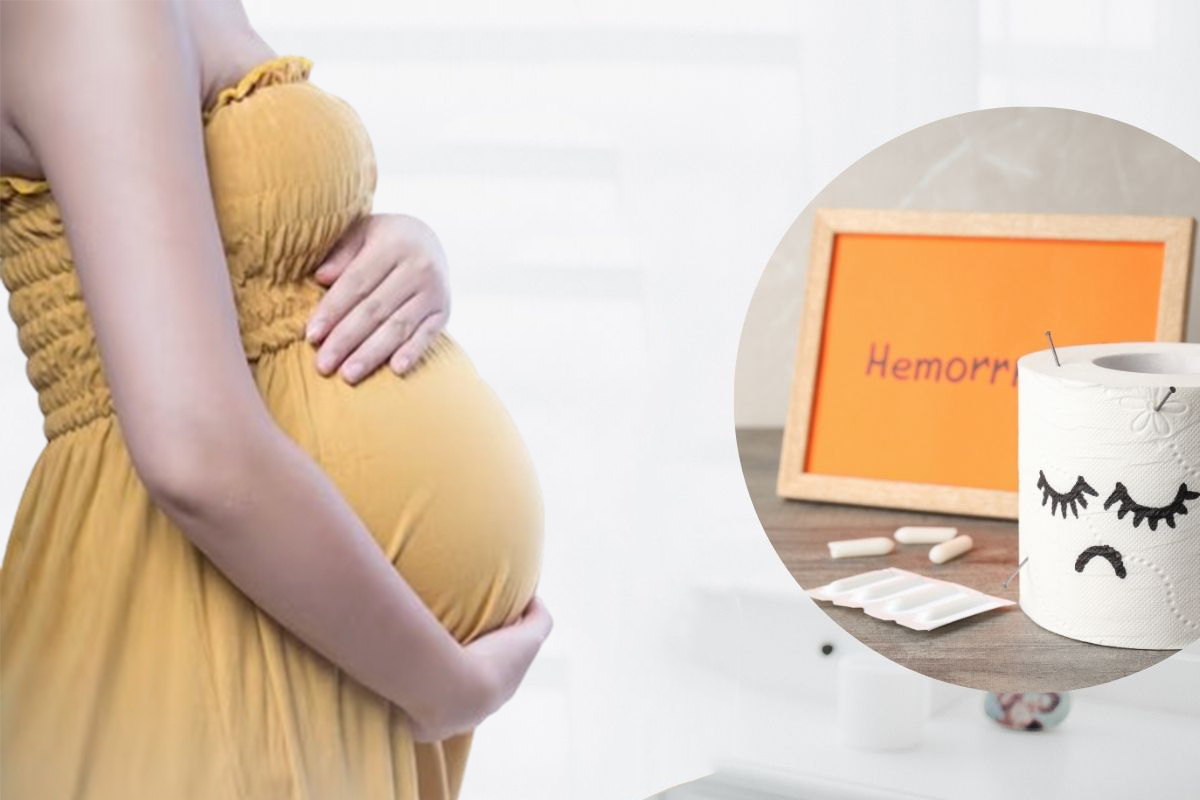
Piles-before-and-after-Pregnancy.jpg
18/Dec/2023

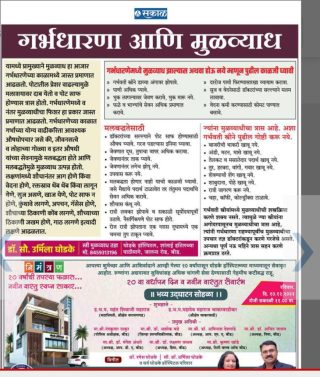
рдпрд╛рдордзреНрдпреЗ рдкреНрд░рд╛рдореБрдЦреНрдпрд╛рдиреЗ рдореБрд│рд╡реНрдпрд╛рдз рд╣рд╛ рдЖрдЬрд╛рд░ рдЧрд░реНрднрдзрд╛рд░рдгреЗрдЪреНрдпрд╛ рдХрд╛рд│рд╛рдордзреНрдпреЗ рдЬрд╛рд╕реНрдд рдкреНрд░рдорд╛рдгрд╛рдд рдЖрдврд│рддреЛ. рдкреЛрдЯрд╛рддреАрд▓ рдкреНрд░реЗрд╢рд░ рд╡рд╛рдврд▓реНрдпрд╛рдореБрд│реЗ рдорд▓рд╛рд╢рдпрд╛рд╡рд░ рджрд╛рдм рдпреЗрддреЛ рд╡ рдкреЛрдЯ рд╕рд╛рдл рд╣реЛрдгреНрдпрд╛рд╕ рддреНрд░рд╛рд╕ рд╣реЛрддреЛ. рдЧрд░реНрднрдзрд╛рд░рдгреЗрдордзреНрдпреЗ рд╡ рдирдВрддрд░ рдореБрд│рд╡реНрдпрд╛рдзреАрдЪрд╛ рдлрд┐рд╢рд░ рд╣рд╛ рдкреНрд░рдХрд╛рд░ рдЬрд╛рд╕реНрдд рдкреНрд░рдорд╛рдгрд╛рдд рдЖрдврд│рддреЛ. рдЧрд░реНрднрдзрд╛рд░рдгреЗрдЪреНрдпрд╛ рдХрд╛рд│рд╛рдд рдЧрд░реНрднрд╛рдЪреНрдпрд╛ рдпреЛрдЧреНрдп рд╡рд╛рдвреАрдХрд░рд┐рддрд╛ рдЖрд╡рд╢реНрдпрдХ рдФрд╖рдзреЛрдкрдЪрд╛рд░ рдЬрд╕реЗ рдХреА, рдЬреАрд╡рдирд╕рддреНрд╡реЗ рд╡ рд▓реЛрд╣рд╛рдЪреНрдпрд╛ рдЧреЛрд│реНрдпрд╛ рд╡ рдЗрддрд░ рдФрд╖рдзреА рдпрд╛рдВрдЪреНрдпрд╛ рд╕реЗрд╡рдирд╛рдореБрд│реЗ рдорд▓рдмрджреНрдзрддрд╛ рд╣реЛрддреЗ рдЖрдгрд┐ рдорд▓рдмрджреНрдзрддреЗрдореБрд│реЗ рдореБрд│рд╡реНрдпрд╛рдз рдЙрддреНрдкрдиреНрди рд╣реЛрддреЛ. рд▓рдХреНрд╖рдгрд╛рдВрдордзреНрдпреЗ рд╢реМрдЪрд╛рдирдВрддрд░ рдЖрдЧ рд╣реЛрдгреЗ рдХрд┐рдВрд╡рд╛ рд╡реЗрджрдирд╛ рд╣реЛрдгреЗ, рд░рдХреНрддрд╕реНрд░рд╛рд╡ рдереЗрдВрдм рдереЗрдВрдм рдХрд┐рдВрд╡рд╛ рд▓рд╛рдЧреВрди рдпреЗрдгреЗ, рд╕реБрдЬ рдЕрд╕рдгреЗ, рдЦрд╛рдЬ рдпреЗрдгреЗ, рдкреЛрдЯ рд╕рд╛рдл рди рд╣реЛрдгреЗ, рдХреБрдВрдерд╛рд╡реЗ рд▓рд╛рдЧрдгреЗ, рдЕрдкрдЪрди, рдЧреЕрд╕реЗрд╕ рд╣реЛрдгреЗ, рд╢реМрдЪрд╛рдЪреНрдпрд╛ рдард┐рдХрд╛рдгреА рдХреЛрдВрдм рд▓рд╛рдЧрдгреЗ, рд╢реМрдЪреНрдпрд╛рдЪреНрдпрд╛ рдард┐рдХрд╛рдгреА рдЬрдЦрдо рд╣реЛрдгреЗ, рдЧрд╛рда рд▓рд╛рдЧрдгреЗ рдЗрддреНрдпрд╛рджреА рд▓рдХреНрд╖рдгреЗ рдЖрдврд│рддрд╛рдд.

рдЧрд░реНрднрдзрд╛рд░рдгреЗрдордзреНрдпреЗ рдореБрд│рд╡реНрдпрд╛рдз рдЭрд╛рд▓реНрдпрд╛рд╕ рдЕрдерд╡рд╛ рд╣реЛрдК рдирдпреЗ рдореНрд╣рдгреВрди рдкреБрдвреАрд▓ рдХрд╛рд│рдЬреА рдШреНрдпрд╛рд╡реА

┬╗ рдЧрд░реНрднрд╡рддреА рд╕реНрддреНрд░реАрдиреЗ рдбрд╛рд╡реНрдпрд╛ рдЕрдВрдЧрд╛рд╡рд░ рдЭреЛрдкрд╛рд╡реЗ.
┬╗ рдкрд╛рдгреА рдЕрдзрд┐рдХ рдкреНрдпрд╛рд╡реЗ.
┬╗ рднреБрдХ рд▓рд╛рдЧрд▓реНрдпрд╛рд╡рд░ рдЬреЗрд╡рдг рдХрд░рд╛рд╡реЗ, рднреБрдХ рдорд╛рд░реВ рдирдпреЗ. ┬╗ рдлрд│реЗ рд╡ рднрд╛рдЬреНрдпрд╛рдВрдЪреЗ рд╕реЗрд╡рди рдЕрдзрд┐рдХ рдкреНрд░рдорд╛рдгрд╛рдд рдХрд░рд╛рд╡реЗ.
┬╗ рджрд░рд░реЛрдЬ рдкрд╛рдпреА рдлрд┐рд░рдгреНрдпрд╛рд╕рд╛рд░рдЦрд╛ рд╡реНрдпрд╛рдпрд╛рдо рдХрд░рд╛рд╡рд╛. ┬╗ рд╕реБрдЬ рд╡ рд╡реЗрджрдиреЗрд╕рд╛рдареА рдбреЙрдХреНрдЯрд░рд╛рдВрдЪреНрдпрд╛ рд╕рд▓реНрд▓реНрдпрд╛рдиреЗ рдорд▓рдо рд▓рд╛рд╡рд╛рд╡рд╛.
┬╗ рд╡реЗрджрдирд╛ рдХрдореА рдХрд░рдгреНрдпрд╛рд╕рд╛рдареА рдХреЛрдордЯ рдкрд╛рдгреНрдпрд╛рдд рдмрд╕рд╛рд╡реЗ.

рдорд▓рдмрджреНрдзрддреЗрд╕рд╛рдареА:

  • рдбреЙрдХреНрдЯрд░рд╛рдВрдЪреНрдпрд╛ рд╕рд▓реНрд▓реНрдпрд╛рдиреЗ рдкреЛрдЯ рд╕рд╛рдл рд╣реЛрдгреНрдпрд╛рд╕рд╛рдареА рдФрд╖рдз рдШреНрдпрд╛рд╡реЗ. рдЧрд░рдЬ рдкрдбрд▓реНрдпрд╛рд╕ рдЗрдирд┐рдорд╛ рдШреНрдпрд╛рд╡рд╛.
  • рдЬреЗрд╡рдгрд╛рдд рджреВрдз, рддреБрдкрд╛рдЪрд╛ рд╡рд╛рдкрд░ рдЕрдзрд┐рдХ рдХрд░рд╛рд╡рд╛. рдЬреЗрд╡рдгрд╛рдирдВрддрд░ рддрд╛рдХ рдкреНрдпрд╛рд╡реЗ.
  • рдЬреЗрд╡рдгрд╛рдирдВрддрд░ рд▓рдЧреЗрдЪ рдЭреЛрдкреВ рдирдпреЗ.
  • рдЙрдкрд╡рд╛рд╕ рдХрд░реВ рдирдпреЗ.
  • рдорд▓рдмрджреНрдзрддрд╛ рд╣реЛрдгрд╛рд░ рдирд╛рд╣реА рдпрд╛рдЪреА рдХрд╛рд│рдЬреА рдШреНрдпрд╛рд╡реА. рдЬрд╕реЗ рдореИрджреНрдпрд╛рдЪреЗ рдкрджрд╛рд░реНрде рдЯрд╛рд│рд╛рд╡реЗрдд рддрд░ рддрдВрддреБрдордп рдкрджрд╛рд░реНрдерд╛рдВрдЪреЗ рд╕реЗрд╡рди рдЕрдзрд┐рдХ рдХрд░рд╛рд╡реЗ.
  • рд╢реМрдЪрд╛рд╕ рдХрдВрдереВ рдирдпреЗ.
  • рд░рд╛рддреНрд░реА рд▓рд╡рдХрд░ рдЭреЛрдкрд╛рд╡реЗ рд╡ рд╕рдХрд╛рд│реА рд╕реВрд░реНрдпреЛрджрдпрд╛рдкреВрд░реНрд╡реА рдЙрдард╛рд╡реЗ. рдиреИрд╕рд░реНрдЧрд┐рдХрдкрдгреЗ рдкреЛрдЯ рд╕рд╛рдл рд╣реЛрддреЗ.
  • рд░реЛрдЬ рд░рд╛рддреНрд░реА рдЭреЛрдкрддрд╛рдирд╛ рдПрдХ рдЧреНрд▓рд╛рд╕ рджреБрдзрд╛рдордзреНрдпреЗ рдПрдХ рдЪрдордЪрд╛ рддреБрдк рдЯрд╛рдХреВрди рдкреНрдпрд╛рд╡реЗ

рдЬреНрдпрд╛рдВрдирд╛ рдореБрд│рд╡реНрдпрд╛рдзреАрдЪрд╛ рддреНрд░рд╛рд╕ рдЖрд╣реЗ. рдЕрд╢рд╛ рдЧрд░реНрднрд╡рддреА рд╕реНрддреНрд░реАрдиреЗ рдкреБрдвреАрд▓ рдЧреЛрд╖реНрдЯреА рдХрд░реВ рдирдпреЗ:

  • рдмрд╛рдЬрд░реАрдЪреА рднрд╛рдХрд░реА рдЦрд╛рд╡реВ рдирдпреЗ.
  • рдЕрдВрдбреА, рдордЯрди, рдорд╛рд╕реЗ рдЦрд╛рд╡реВ рдирдпреЗ. рддреЗрд▓рдХрдЯ рд╡ рдорд╕рд╛рд▓реЗрджрд╛рд░ рдкрджрд╛рд░реНрде рдЦрд╛рд╡реВ рдирдпреЗ.
  • рддреБрд░, рд╣рд░рдмрд░рд╛, рд╡рд╛рдВрдЧреА, рдЧрд╡рд╛рд░ рдЦрд╛рд╡реВ рдирдпреЗ.
  • рд╢реЗрд╡рдЧреНрдпрд╛рдЪреА рд╢реЗрдВрдЧ рдЦрд╛рд╡реВ рдирдпреЗ.
  • рд╢рд╛рдмреБрджрд╛рдирд╛, рдкреЛрд╣реЗ рдЦрд╛рд╡реВ рдирдпреЗ.
  • рд░рд╛рддреНрд░реА рдЬрд╛рдЧрд░рдг рдХрд░реВ рдирдпреЗ.
  • рдЪрд╣рд╛, рдХреЙрдлреА, рдХреЛрд▓реНрдбреНрд░реЙрдХреНрд╕ рдЯрд╛рд│рд╛рд╡реЗ. 

рдЧрд░реНрднрд╡рддреА рд╕реНрддреНрд░реАрдпрд╛рдВрдордзреНрдпреЗ рдореБрд│рд╡реНрдпрд╛рдзреАрдЪреА рд╢рд╕реНрддреНрд░рдХреНрд░рд┐рдпрд╛ рдХрд░рдгреЗ рд╢рдХреНрдп рдирд╕рддреЗ. рддреНрд╡рд╛рдореБрд│реЗ рдЬреНрдпрд╛ рд╕реНрддреНрд░реАрдпрд╛рдВрдирд╛ рдЕрдЧреЛрджрд░рдкрд╛рд╕реВрдирдЪ рдореБрд│рд╡реНрдпрд╛рдзреАрдЪрд╛ рддреНрд░рд╛рд╕ рдЖрд╣реЗ, рддреНрдпрд╛рдВрдиреА рдЧрд░реНрднрдзрд╛рд░рдгрд╛ рд░рд╛рд╣рдгреНрдпрд╛рдкреВрд░реНрд╡реАрдЪ рдореБрд│рд╡реНрдпрд╛рдзреАрдЪрд╛ рдЙрдкрдЪрд╛рд░ рддрдЬреНрдЮ рдбреЙрдХреНрдЯрд░рд╛рдВрдХрдбреВрди рдХрд░рдгреЗ рдЧрд░рдЬреЗрдЪреЗ рдЕрд╕рддреЗ. рдЕрдиреНрдпрдерд╛ рдкреВрд░реНрдг рдирдК рдорд╣рд┐рдиреЗ рддреНрд░рд╛рд╕ рд╕рд╣рди рдХрд░рдгреЗ рдХреНрд░рдордкреНрд░рд╛рдкреНрдд рдард░рддреЗ.

—

рдбреЙ. рд╕реМ. рдЙрд░реНрдорд┐рд▓рд╛ рдШреЛрдбрдХреЗ
рд╕реНрддреНрд░реА рдореБрд│рд╡реНрдпрд╛рдз рддрдЬреНрдЮ рдореЛ. 8459313196
рдШреЛрдбрдХреЗ рд╣реЙрд╕реНрдкрд┐рдЯрд▓, рд╢рд╛рдВрддрд╛рдИ рд╣реЙрдЯреЗрд▓рдЪреНрдпрд╛ рдкрд╛рдареАрдорд╛рдЧреЗ, рдЬрд╛рд▓рдирд╛ рд░реЛрдб, рдмреАрдб.


piles-doctors-in-beed-maharashtra-1200x557.jpg
07/Nov/2023

Piles Doctor in Beed

Piles doctors in Beed, Maharashtra: Are you looking for the best piles doctors in Beed, Maharashtra, who can provide expert care and a compassionate approach to your condition? Look no further! Ghodke Piles Hospital is your trusted destination for comprehensive piles treatment. Led by renowned physicians, Dr. Ramesh Ghodke and Dr. Urmila Ghodke, including a dedicated female piles doctor, they offer a wide range of old and new treatment options to ensure you receive the best care available.

Piles, also known as hemorrhoids, can be a painful and distressing condition. In this article, we will delve into the symptoms, causes, and the innovative treatment options provided by Ghodke Piles Hospital to help you understand and manage your condition effectively.

Piles: Understanding the Condition

Piles, or hemorrhoids, are swollen blood vessels in the rectal and anal area. This condition can lead to discomfort, pain, bleeding, and itching. Knowing the symptoms and causes is crucial to seek timely treatment.

Symptoms of Piles:

  1. Rectal Bleeding: One of the most common symptoms of piles is the presence of bright red blood on the toilet paper or in the toilet bowl after a bowel movement.
  2. Itching and Discomfort: Piles can cause itching and discomfort in the anal region, making it challenging to sit comfortably.
  3. Pain: Some individuals experience pain during bowel movements or when sitting for extended periods.
  4. Swelling: Piles can lead to swelling around the anus, which may be sensitive or painful to the touch.

Causes of Piles:

The exact cause of piles is often a combination of factors, including:

  1. Straining During Bowel Movements: Exerting excessive pressure while passing stool can lead to the development of piles.
  2. Chronic Constipation or Diarrhea: Irregular bowel habits can contribute to the formation of piles.
  3. A Sedentary Lifestyle: Lack of physical activity can increase the risk of piles.
  4. Obesity: Being overweight can put additional pressure on the rectal area, leading to piles.

Old and New Treatment Options for Piles:

At Ghodke Piles Hospital, you can access a range of traditional and modern treatments to address your piles effectively. Dr. Ramesh Ghodke and Dr. Urmila Ghodke, along with their dedicated team, will customize a treatment plan that suits your specific needs. Some of the treatments offered include:

  1. Medication: Mild cases of piles can often be managed with medication and lifestyle modifications.
  2. Sclerotherapy: A minimally invasive procedure that involves injecting a solution into the piles to shrink them.
  3. Rubber Band Ligation: This procedure involves placing a rubber band around the base of the piles to cut off the blood supply, causing them to shrink and fall off.
  4. Laser Treatment: A cutting-edge approach that uses laser energy to remove or shrink piles, reducing discomfort and recovery time.
  5. Surgery: In severe cases, surgical intervention may be necessary. Ghodke Piles Hospital provides state-of-the-art surgical procedures to effectively treat piles.

Contact Information:

If you’re looking for the best piles doctors in Beed, don’t hesitate to reach out to Ghodke Piles Hospital:

Whether you require the expertise of a female piles doctor or a male specialist, Ghodke Piles Hospital has you covered. Your path to relief and recovery starts here.

Conclusion:

Ghodke Piles Hospital in Beed, Maharashtra, is your trusted destination for the best piles doctors and cutting-edge treatment options. Don’t let piles disrupt your life; contact them today to schedule a consultation and take the first step towards a pain-free, comfortable future. Your well-being is their priority, and they are here to provide you with the expert care you deserve.


Visit us on social networks:


Visit us on social networks:


Ghodke Piles Hospital

New Address: Ghodke Hospital, Behind shantai Hotel, Jalna Road , Beed, Maharashtra – 431122

084593-13196


Call us now if you are in a medical emergency need, we will reply swiftly and provide you with a medical aid.


Piles hospital in beed, maharashtra

Copyright Ghodke Hospital 2025. All rights reserved.

Call Now