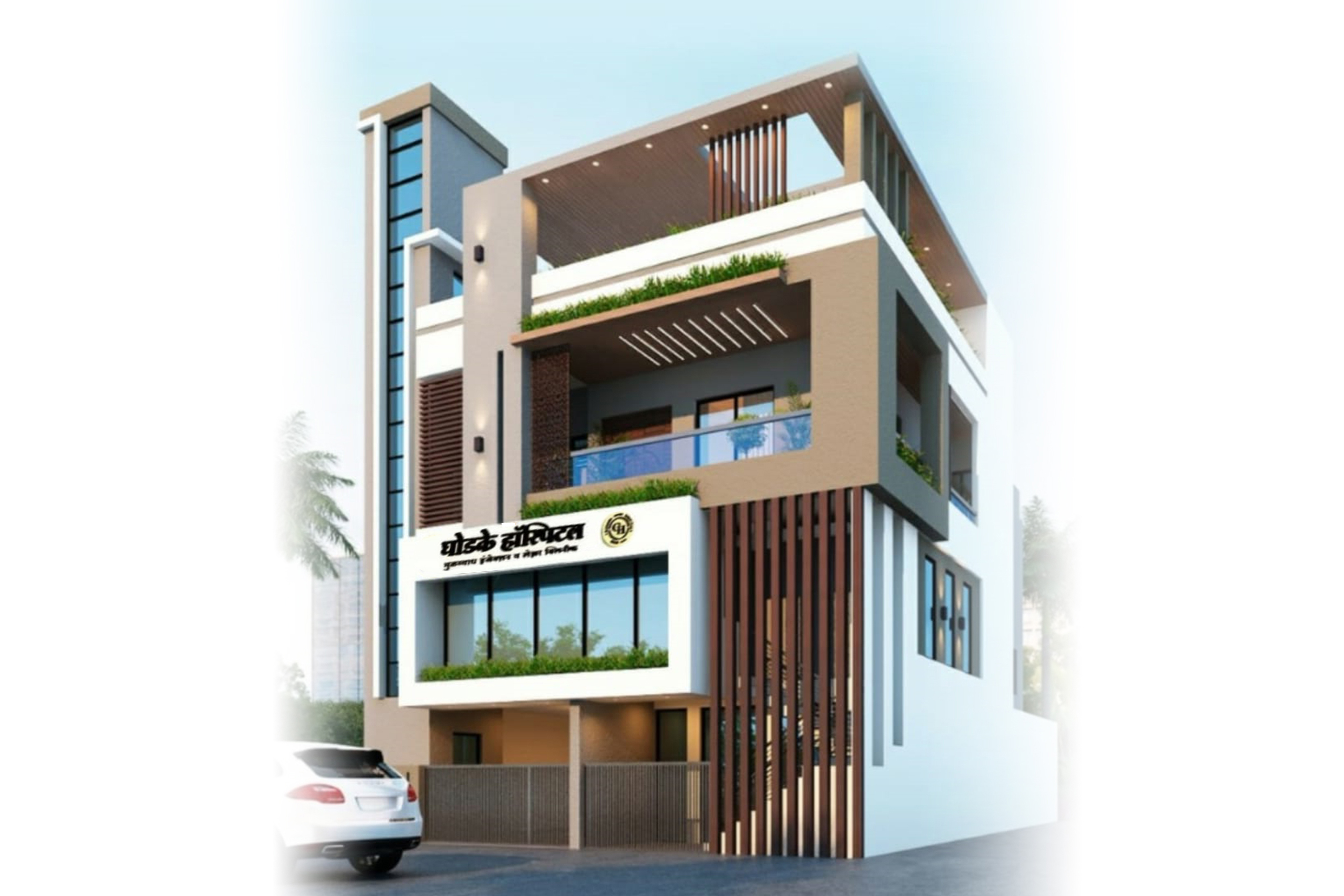
World Piles Day 2026: Raise Awareness, Recognise Symptoms and Seek Early Treatment
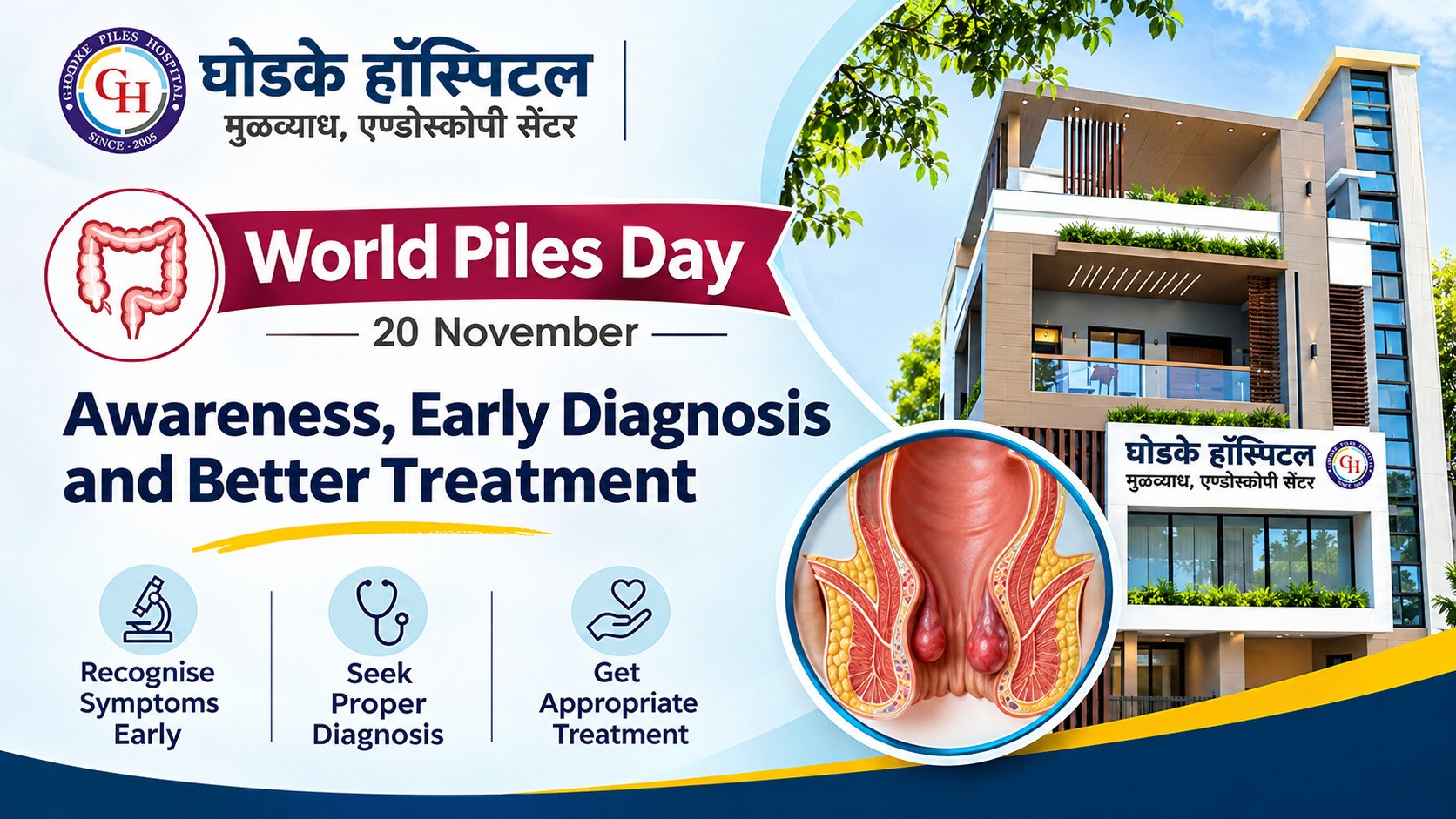
Piles are a common health concern, but many people hesitate to discuss their symptoms or seek medical advice because of embarrassment. Unfortunately, ignoring symptoms such as rectal bleeding, pain, itching or swelling can delay the diagnosis of conditions that need medical attention.
World Piles Day is an opportunity to raise awareness about piles (haemorrhoids), encourage early medical consultation and help people understand the importance of proper anorectal healthcare.
On this occasion, Ghodke Piles Hospital, Beed, highlights the importance of awareness, early diagnosis, appropriate treatment and social responsibility in healthcare.
Whether you live in Beed or a nearby area, understanding the symptoms and knowing when to consult a doctor can help you make informed decisions about your health.
What Is World Piles Day?
World Piles Day focuses on creating awareness about piles, their symptoms, available treatment options and the importance of seeking medical advice.
Piles, medically known as haemorrhoids, are swollen blood vessels in the lower rectum or around the anus. They can cause discomfort and affect everyday activities.
Many people avoid discussing these problems because they consider them embarrassing. However, piles are a medical condition and should be discussed with a qualified healthcare professional.
Awareness can encourage people to:
Recognise common symptoms.
Avoid ignoring rectal bleeding.
Understand available treatment options.
Improve bowel habits and lifestyle.
Seek medical advice without hesitation.
Avoid unverified home remedies and self-medication.
Understanding Piles: Symptoms You Should Never Ignore
Piles can develop inside the rectum (internal piles) or under the skin around the anus (external piles).
Common symptoms include:
Bright red blood during or after passing stools.
Itching or irritation around the anus.
Pain or discomfort while sitting.
Swelling or a lump near the anal opening.
Discomfort during bowel movements.
A feeling that the bowel has not emptied completely.
The symptoms may vary from person to person. Some people have mild symptoms, while others experience persistent discomfort or bleeding.
NHS+1
Important: Rectal bleeding is not always caused by piles
One of the most important messages of World Piles Day is the need for proper diagnosis.
Rectal bleeding can occur due to piles, anal fissures, infections, inflammatory bowel conditions and other diseases, including colorectal or anal cancer.
Piles do not turn into cancer. However, symptoms of piles and some serious conditions can overlap. Therefore, bleeding should never automatically be assumed to be piles.
Persistent bleeding, unexplained weight loss, changes in bowel habits, black stools or ongoing abdominal discomfort should be medically evaluated. Early investigation can help identify the actual cause.
NHS+2
How Can You Reduce the Risk of Piles?
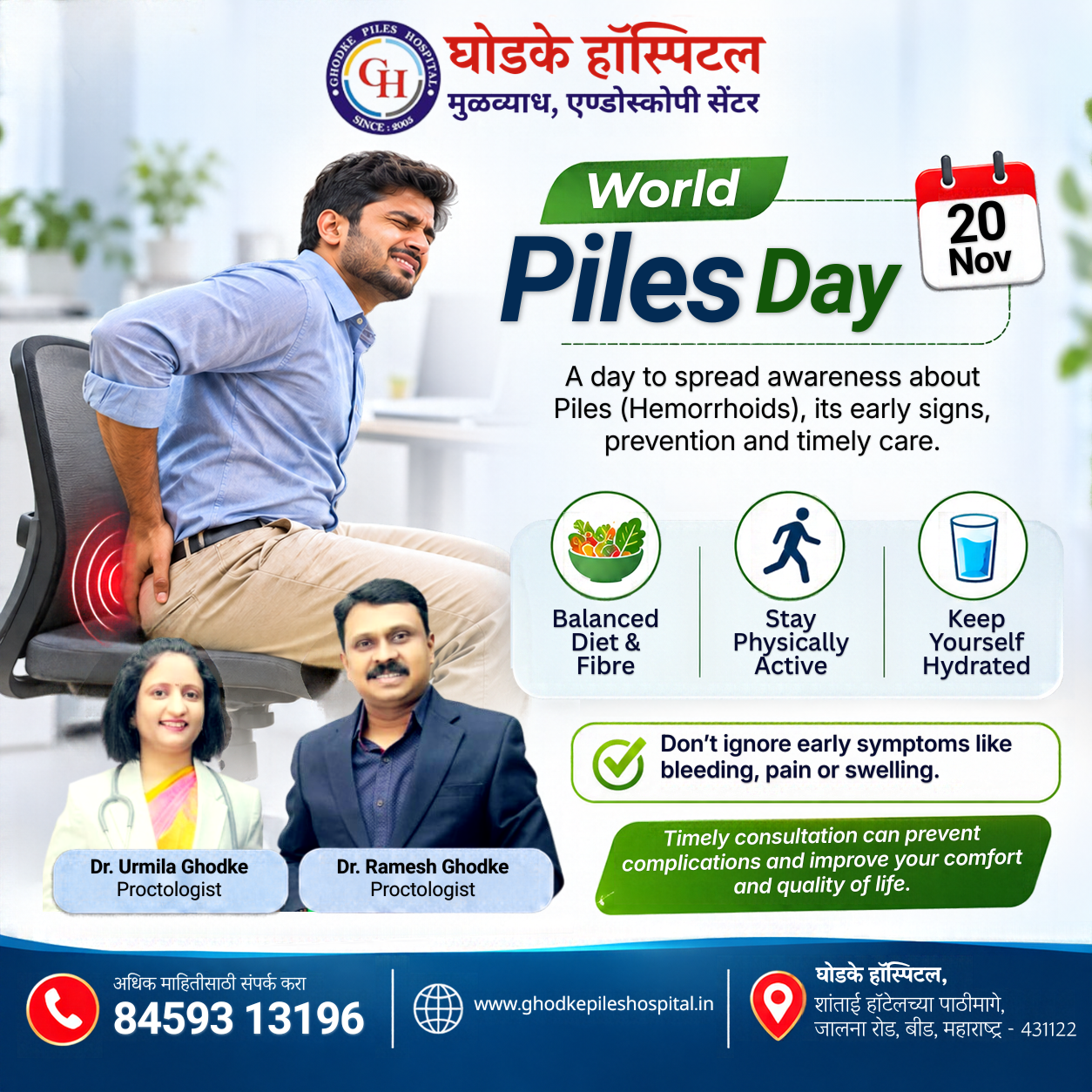
Healthy bowel habits and lifestyle changes can help reduce constipation and straining, which are important factors associated with piles.
Consider these everyday habits:
1. Include fibre-rich foods
Add vegetables, fruits, whole grains, pulses and other fibre-rich foods to your daily meals. Fibre helps make stools softer and easier to pass.
2. Drink enough water
Maintain adequate fluid intake according to your health needs. Proper hydration supports normal bowel movements.
3. Avoid straining during bowel movements
Do not force bowel movements or sit on the toilet for unnecessarily long periods.
4. Stay physically active
Regular walking and physical activity can support healthy digestion and bowel habits.
5. Do not ignore constipation
If constipation continues or keeps returning, consult a healthcare professional rather than repeatedly relying on self-medication.
These measures can support bowel health, but they do not guarantee that piles will never develop.
NIDDK+1
Ghodke Piles Hospital: A Commitment Beyond Medical Treatment
Healthcare is not only about treating a medical condition. It is also about understanding patients’ difficulties, supporting families and making medical care more accessible to people who need it.
A Marathi newspaper feature published in Karyarambh on 18 November 2026, ahead of World Piles Day, highlighted the social commitment and healthcare initiatives associated with Dr. Ramesh Ghodke and Ghodke Piles Hospital.
The newspaper feature described more than two decades of medical service and social initiatives, including:
Free surgical camps for economically disadvantaged patients
The article highlighted free surgical camps organised for patients who face financial difficulties in accessing medical treatment. It also described collaborative social initiatives involving the Rotary Club of Beed and Ghodke Piles Hospital.
Awareness about early diagnosis
Another important focus was creating awareness about anorectal diseases and the importance of early diagnosis. The article highlighted efforts to encourage people not to ignore symptoms and to seek appropriate medical guidance.
Support for patients’ families
The newspaper also reported a free food arrangement for relatives accompanying patients, recognising that families often face additional financial and practical difficulties during hospital visits.
A broader commitment to community healthcare
The feature highlighted the belief that medical service involves more than clinical treatment. Education, awareness, compassion and support for people facing difficult circumstances are also important parts of community healthcare.
These initiatives reflect an important message for World Piles Day: healthcare awareness and access to appropriate medical attention should reach everyone, regardless of their financial circumstances.
Why Early Consultation Matters
Many people delay visiting a doctor because of embarrassment, fear of surgery or uncertainty about treatment.
However, not every patient with piles needs surgery. Depending on the diagnosis and severity, treatment may include:
Dietary and lifestyle modifications.
Medicines where clinically appropriate.
Non-surgical procedures such as rubber-band ligation or sclerotherapy.
Surgical treatment in selected cases.
A doctor will determine the appropriate approach after evaluating the patient’s condition.
Ghodke Piles Hospital in Beed, Maharashtra+1
At Ghodke Piles Hospital, patients can seek medical evaluation for piles and related anorectal conditions.
Explore the hospital’s piles treatment information to learn more about diagnosis and treatment approaches.
You can also read the hospital’s earlier educational article, World Piles Day: Understanding, Awareness and Empowerment.
When Should You Consult a Doctor?
Consider arranging a medical consultation if you experience:
Repeated bleeding during bowel movements.
Persistent itching or irritation.
Pain or swelling around the anus.
A lump near the anal opening.
Recurrent constipation with straining.
Symptoms that continue despite basic lifestyle changes.
Seek urgent medical attention for heavy or continuous bleeding, severe pain, fainting, fever or black, tarry stools.
Do not wait for symptoms to become severe before seeking medical advice.
This World Piles Day, Take a Step Towards Better Health
World Piles Day is a reminder that there should be no embarrassment in discussing anorectal health.
Recognising symptoms, avoiding self-diagnosis, maintaining healthy bowel habits and consulting a qualified doctor are important steps towards better health.
The message highlighted by Ghodke Piles Hospital is equally important: healthcare should combine medical responsibility with compassion and social commitment.
If you or a family member are experiencing symptoms of piles or other anorectal problems, consider seeking a medical evaluation.
Consult Ghodke Piles Hospital, Beed
Ghodke Piles Hospital
Doctors: Dr. Ramesh Ghodke – Proctologist | Dr. Urmila Ghodke – Proctologist
Phone: 84593-13196
Address: Ghodke Hospital, Behind Shantai Hotel, Jalna Road, Beed, Maharashtra – 431122
Website: https://ghodkepileshospital.in/
Directions: View Ghodke Piles Hospital on Google Maps
A timely consultation can help you understand your symptoms and the next appropriate steps.
This World Piles Day, break the silence. Recognise the symptoms. Seek the right medical advice. Spread awareness.